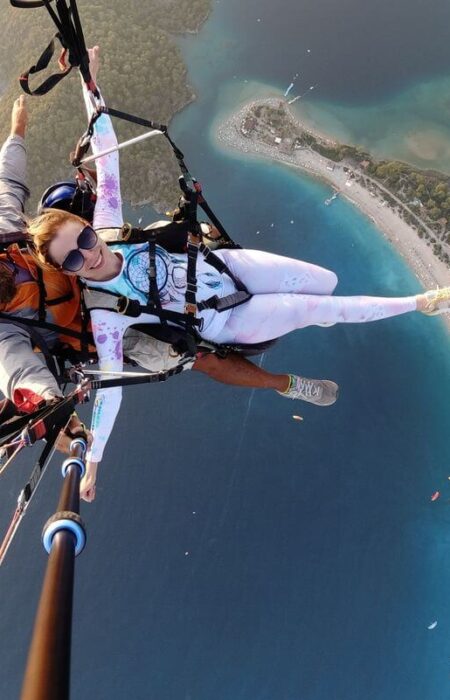
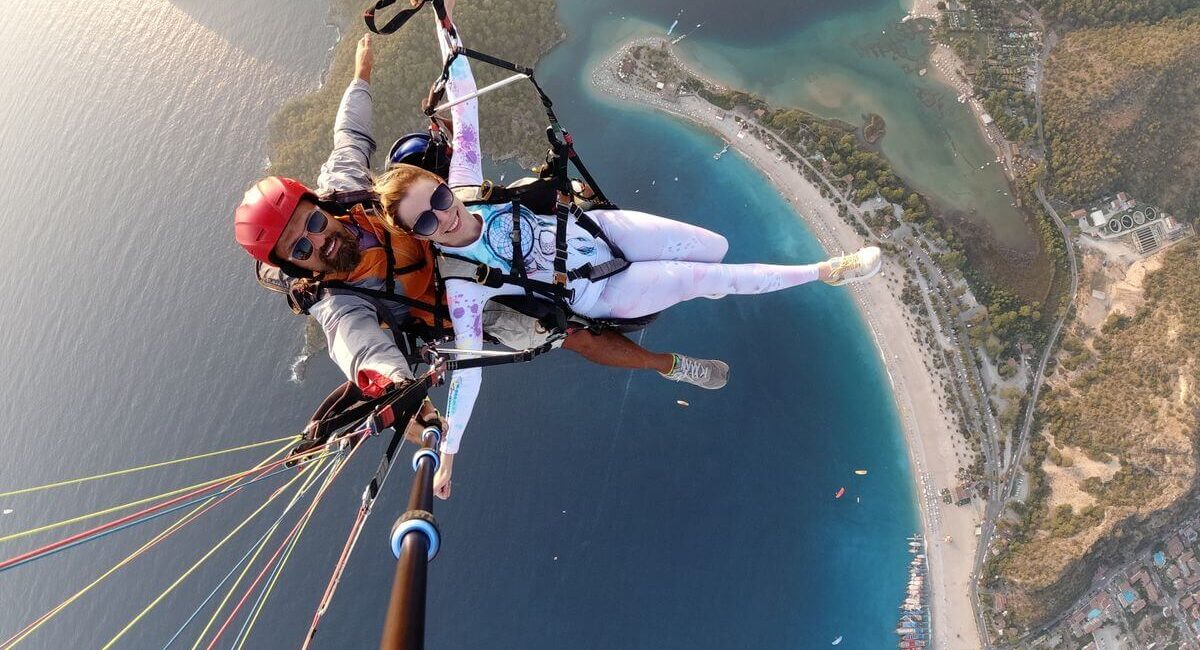
Search parapente biplaza tenerife and the intent behind it is pretty clear: you want to fly, but you’d rather not spend a season learning to pilot a wing solo first. Tandem paragliding solves exactly that problem in one afternoon. A licensed pilot handles the technical side — reading the wind, timing the launch, judging exactly where to land — while you’re clipped into the harness in front of them, free to just look around instead of concentrating on flying. Operators based in the south of the island run flights on most days the weather allows, from a handful of launch sites stretching from sea level right up into Teide National Park. What follows is a practical walk-through: what a tandem flight actually involves, which route suits which kind of traveller, and a few details that rarely make it into the marketing copy.
Table of Contents
What Tandem Paragliding Actually Involves
A tandem flight means two people under one wing — well, one wing and two harnesses, clipped together, since paragliders don’t have seats in any conventional sense. The pilot sits just behind and slightly above you, controls the brake lines and the weight-shift, and does essentially all of the flying. Tandem wings are built noticeably larger than solo gliders specifically to carry two people safely, and most operators rate their equipment for a combined pilot-and-passenger weight of somewhere between 140 and 220kg. You don’t need any flying background at all. You don’t need to be particularly fit, either. About the only physical requirement is being able to jog a few steps downhill at launch and bend your knees on landing — that’s genuinely most of it.
Why Tenerife Is Such a Reliable Place to Fly
Most paragliding destinations get a handful of good months each year and not much else. Tenerife barely has an off-season, and that comes down to Mount Teide sitting in the middle of the island and generating a microclimate that’s unusual even by Canary Islands standards. Warm, dependable thermals rise off the southern slopes on most days, and launch sites span an altitude range — from low coastal ridges up to roughly 2,200 metres at Izaña — that you won’t find bundled into a single destination almost anywhere else in Europe. Most tandem operators elsewhere are working with one launch site and one style of flight. Tenerife has six or seven distinct options, each with its own character, which is a large part of why pilots take the island seriously rather than treating it as just another tourist add-on.
There’s also the wind pattern itself, which local pilots talk about the way sailors talk about tides. Trade winds hitting the north of the island get pushed up and over Teide, and by the time that air reaches the southern launch sites it has warmed and smoothed into something far more consistent than the gustier coastal conditions typical of, say, a UK or northern European flying site. That consistency is exactly what makes tandem flying — where the passenger has had zero training — workable on almost any given day, rather than something you have to gamble an entire holiday week on.
The Flight Options, Compared
| Flight | Launch Site | Duration | Altitude Drop | Price From |
| Basic Flight | Taucho | 15–25 min | Low-level, coastal | €100 |
| Long-Duration Flight | Various (south) | 35–45 min | Panoramic route | €130 |
| Mid-Mountain Flight | Ifonche | 20–25 min | ~1,000 m | €120 |
| High-Mountain Flight | Izaña (Teide) | 35–45 min | ~2,200 m to coast | €180 |
| Acrobatic Flight | Extreme site | Variable | Manoeuvre-focused | €140 |
| Paratrike (Motorized) | Adeje | ~25–60 min | Motorised take-off/landing | €140 |
Prices climb roughly in line with altitude and duration, which tracks — a 45-minute descent from 2,200 metres above Teide National Park involves more logistics, more fuel for the transfer, and more of the pilot’s time than a 15-minute hop from Taucho. Worth checking how paragliding options compare across Tenerife before booking one specific company, too, since prices and what’s included — transfers, photos, video — vary more between outfits than you might assume.
Best Time of Year to Book
Honestly, almost any month works, which is unusual for this kind of activity. Winter (December to February) brings cooler air and occasionally stronger wind, so operators sometimes shift launch sites or flight times to compensate — mornings tend to be calmer during these months. Spring and autumn sit close to ideal: warm without being scorching, thermals steady, fewer people at the meeting points. Summer is the busiest stretch, and afternoon flights can get genuinely bumpy from strong thermal activity — some passengers love that, plenty of others don’t. If turbulence isn’t your thing, ask for a morning slot specifically.
What Happens on the Day
There’s a rhythm to it that stays roughly the same across operators, whichever flight you’ve booked. A van collects you from your hotel or a fixed meeting point — most companies cover pickup anywhere from Los Cristianos through to Playa Paraíso, sometimes further. At the registration point you get a short briefing: how to run at launch, how to hold your legs on landing, what not to do mid-air (grabbing the lines is the obvious one). Gear goes on next — harness, helmet, occasionally a bluetooth-linked one so the pilot can talk you through the flight as it happens. Then it’s a walk, sometimes short, up to the launch point, a countdown, a handful of running steps, and you’re off the ground. Landing mirrors the takeoff in miniature: legs forward, knees soft, and it’s over almost before you’ve had time to process it.
Filming during the flight is usually off-limits to passengers — the pilot carries a chest-mounted camera for that, and you’ll be offered the footage afterwards for an extra fee. It’s a minor rule, but a sensible one: you’ve got exactly one pair of hands, and they’re better spent gripping the harness straps and actually taking in the view than fumbling with a phone at altitude. Most people report roughly the same experience afterwards: the first thirty seconds feel strange, and then it just goes quiet.
Where to Stay for Easy Access
Most tandem flights launch from the south of Tenerife — Adeje, Vilaflor, Taucho, Ifonche — so basing yourself somewhere between Los Cristianos and Costa Adeje keeps every launch site within easy reach without a long transfer either direction. If Tenerife is one stop on a longer Spain trip rather than the whole itinerary, it’s worth thinking about how the pieces connect; we’ve covered the coastal side of southern Spain in more depth if you’re weighing up how to split time between the mainland and the islands.
Packing for the Flight
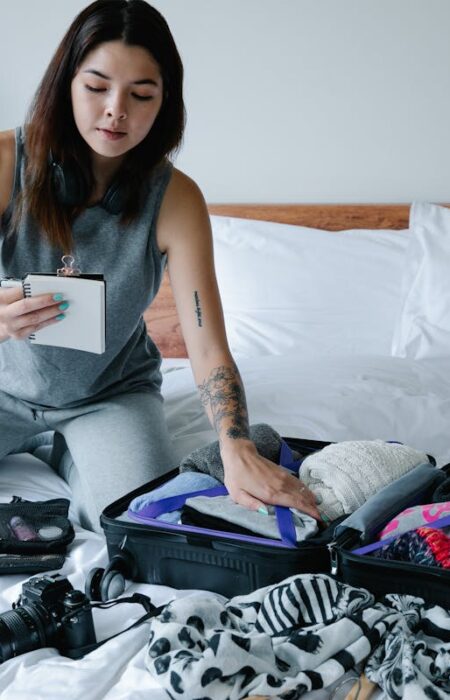
Operators are fairly specific about this, and it’s worth actually listening. Long trousers, a long-sleeved top, and something windproof — even in August, altitude and airspeed make it noticeably colder than the ground temperature suggests. Closed shoes with a proper sole — hiking boots are ideal, trainers are fine, sandals genuinely aren’t allowed. Gloves if you’re flying in winter. Sunglasses, always. And leave anything loose or dangling — scarves, loose jewellery — in the van, since most companies let you store bags there during the flight anyway. If you’re packing for a wider Tenerife trip rather than just the flight itself, a few common packing mistakes worth avoiding are worth ruling out before you even leave home.
Budgeting the Trip
A single tandem flight runs €100–€180 depending on the route, plus photos or video if you want them — usually paid on the day, separate from the flight itself, typically another €30–€50. That’s the headline figure, but it’s rarely the only cost once you factor in transfers, a base in the south, meals around the meeting point. None of that has to blow a travel budget, though — stretching a trip further without cutting corners where it counts (like the paragliding itself, arguably) is mostly about being deliberate with everything else.
Safety, Age and Weight Limits
Reputable operators in Tenerife are registered with the regional Turismo Activo authority — you’ll usually spot a registration number listed somewhere on their site, and it’s worth checking before you book. Standard restrictions across most companies: minimum age around 4, maximum passenger weight typically 120kg, and pregnant passengers generally aren’t accepted, for obvious reasons. Pilots are licensed and, in practice, fly tandem far more often than any individual customer ever will — this is genuinely closer to routine for them than adventure. That doesn’t make it risk-free (nothing involving wind and altitude is), but it does mean the person steering has done this thousands of times before.
Conclusion
Tandem paragliding in Tenerife earns its search volume honestly — the combination of near-daily flyable weather, a real altitude range from sea level to 2,200 metres, and zero requirement for prior experience isn’t something you find bundled together anywhere else in Europe. Pick the flight that matches your nerve — Taucho if you’re easing in, Izaña if you want the full volcano-to-coast descent — book with a licensed, registered operator, and dress warmer than feels necessary. The flying itself takes care of the rest.
Other Articles
How Difficult is it to Install Your Own Car Stereo?